
University Life

University Life Celebrates Jim Green’s Legacy with Tree Dedication Ceremony


Written by Anna MacNiven, Advancement Operations Manager, University Life. Edited by Chelsea Xu, University Life Marketing and Communications.

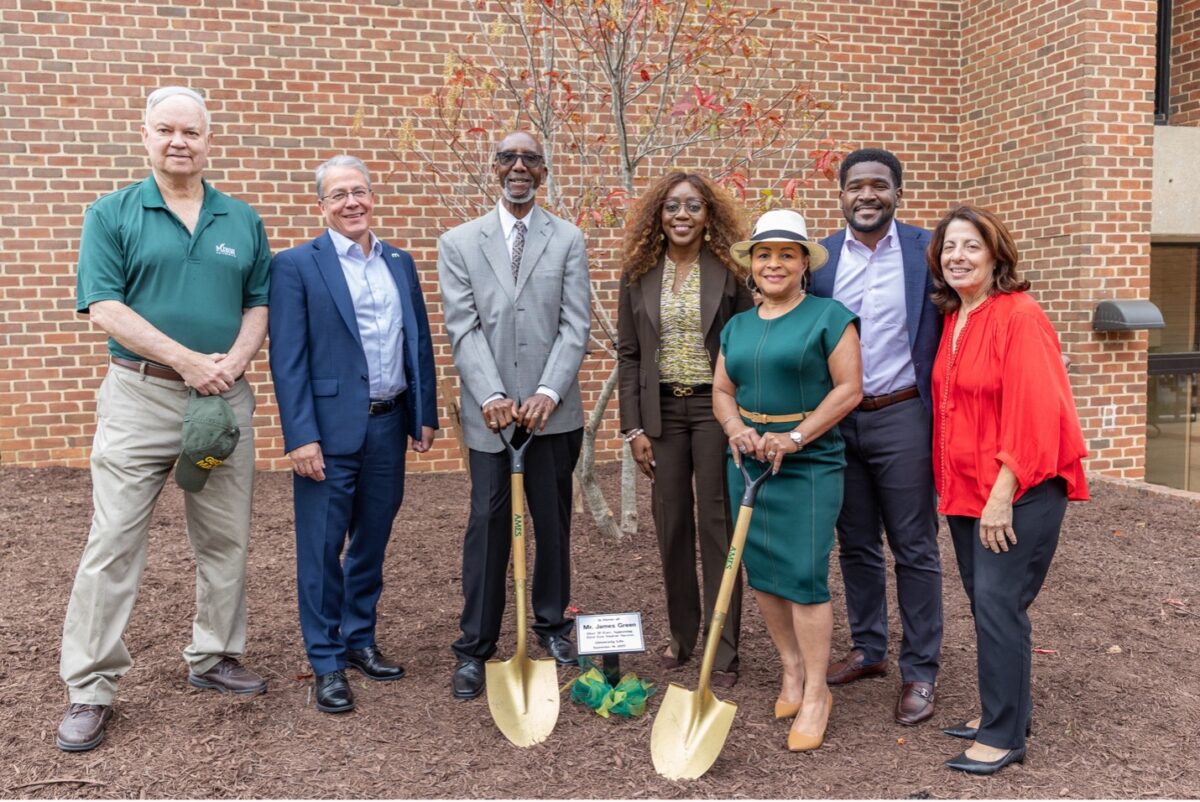
On Tuesday, September 16, members of George Mason University Life Advisory Board, staff, supporters, and friends gathered on the Fairfax Campus to plant a tree in honor of their fellow board member Jim Green.

Leading the way with passion, vision, and a big heart, Jim helped found University Life’s annual golf tournament and worked tirelessly for 30 years to ensure its success. His volunteer leadership helped raise critical support for first-generation students who are forging new paths and brighter futures through education. With his help, the golf tournament raised one million dollars in scholarships for Early Identification Program (EIP) and Student Transition Empowerment Program (STEP) students, changing the lives of students and their families for years to come.

The tree serves as a lasting symbol of Jim’s legacy, rooted in generosity, leadership, and an unwavering commitment to generations of student success.


Meet the Mason Nation: TJ Pegg

This article originally appeared on The George on July 17, 2025 / By Lauren Reuscher. Edited by Chelsea Xu, UL Marketing and Communications.

TJ Pegg

Job: Associate Director for Student Success Coaching

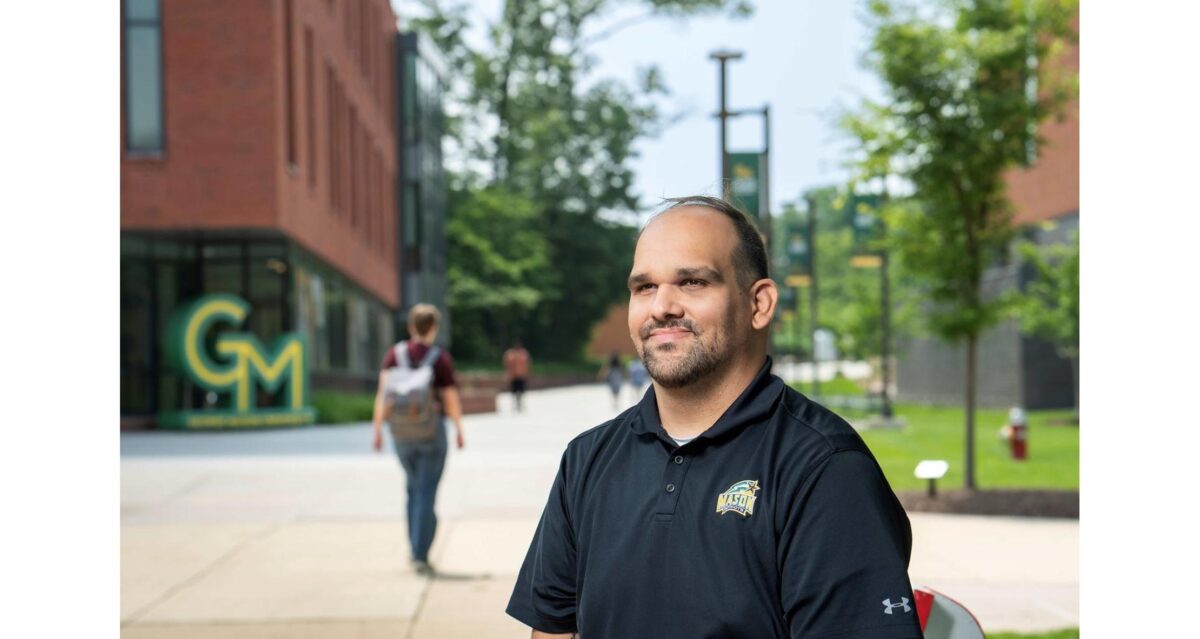
TJ Pegg, Student Success Coaching. Photo by Evan Cantwell/Office of University Branding

Starting college can be an exciting and sometimes overwhelming experience. Life at a university presents new opportunities, challenges, and ways for students to find personal pathways to success. At George Mason University, the Student Success Coaching team helps students navigate the transition to college and make the most of their student experience.

TJ Pegg has been part of the Student Success Coaching team for five years. In May 2025, he became the associate director for the unit, working directly with the coaches who serve the general student population. In his prior role at George Mason, Pegg provided oversight for marketing, communications, and staff training for the department. 

Coaching the coaches: An interest in supporting the holistic student experience drew Pegg to student success coaching. Pegg leads and supports the group of success coaches who meet directly with students throughout their university experience. His responsibilities draw upon his previous work at other institutions, which focused on housing and residence life, as well as advising student organizations.

“The work of success coaching translated nicely for me,” said Pegg. “We help students create a sense of belonging and to see how various campus resources can support their success in navigating college and life.” 

Goal-oriented: All incoming freshmen and transfer students are assigned a success coach, and all students are eligible to make an appointment with a coach at any point in their academic journeys. Students often reach out for coaching appointments if they are struggling with time management or trying to foster their sense of belonging on campus, according to Pegg. 

Some students naturally seek out success coaching, while others are referred to the office by other campus resources. Since fall 2020, Student Success Coaching has hosted more than 20,000 appointments.

“Student Success Coaching is here to help students make the most of their George Mason experience inside and outside of the classroom,” said Pegg. “We actively work with students to understand their own definitions of success, create goals, implement action plans, and connect with university resources to best support them.”

Setting personal priorities: Appointments with success coaches can cover a range of discussion topics from academic to personal matters—anything a student brings forward that affects their needs and well-being as a student. 

“One student I coached for about a year was highly engaged on campus and worked on campus, but was struggling with time management and their own well-being,” Pegg said. After Pegg helped the student reflect on their goals, the student said that the coaching experience truly helped them navigate campus life. 

“This student shared that some of the questions I asked helped them evaluate how to prioritize which things they needed to continue, as well as activities or experiences that they have grown out of and are no longer serving the right purpose,” Pegg said.

Group effort: Students may meet with a Success Coach in addition to the academic advisor in their degree program. Student success depends on an entire network of faculty and staff across the university, and success coaches themselves can gain insights and skills by working with other specialists across campuses. 

First impressions: To connect with students and campus partners, Student Success Coaching hosts a “Kickoff to Success Resources Fair” during Welcome2Mason at the start of the fall semester. More than 20 university offices host tables during the event. Students can have an initial conversation with their coaches and speak with representatives from other units on campus. Campus partners can also take the opportunity to collaborate with success coaches on the best ways to support students.

“Students were energized and engaged with campus resources, and our team was activated and connecting with students,” said Pegg. “The event lets students know that they are not alone and have a lot of support behind them.”

Off the bench: Coaching is not just a resource when times are hard—but something Pegg encourages students to access throughout their academic journey. 

“One of the biggest challenges is finding the best ways to connect with all students to help them understand the benefits of success coaching,” said Pegg. “We want students and staff to know that we’re here even when things are going well—not just when students need help.”

Can-do spirit: Outside work, Pegg enjoys spending time with his family and friends, traveling, and trying iced coffee at new coffee shops. A team player on and off campus, he also plays kickball and dodgeball in recreational sports leagues in Washington, D.C. 

“This summer, I am pushing myself outside my comfort zone and playing volleyball,” Pegg said. Great coaches know that trying something new can open up a whole new set of possibilities.

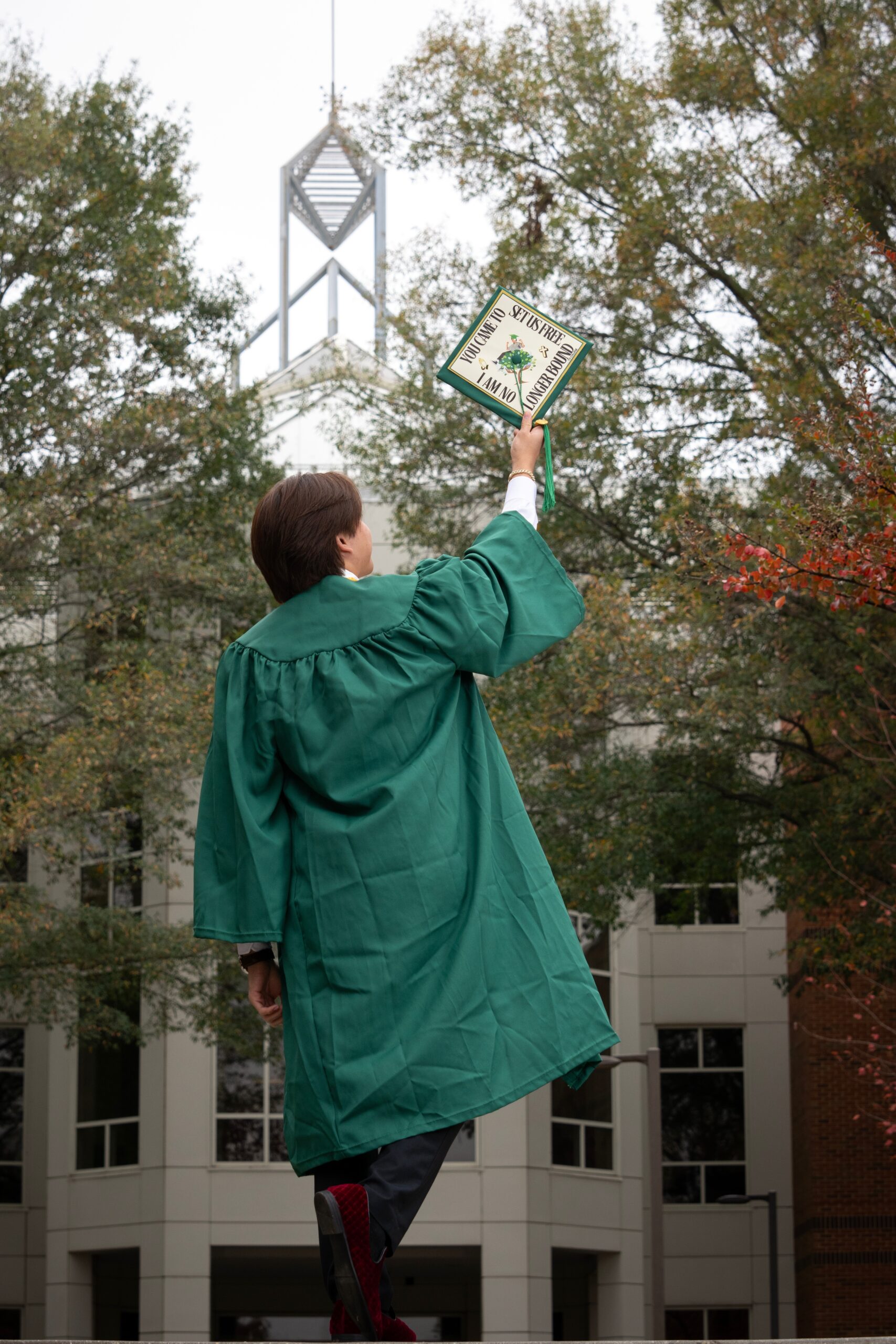
UL Graduation Spotlight

By Tiffany Boggs, Student Media

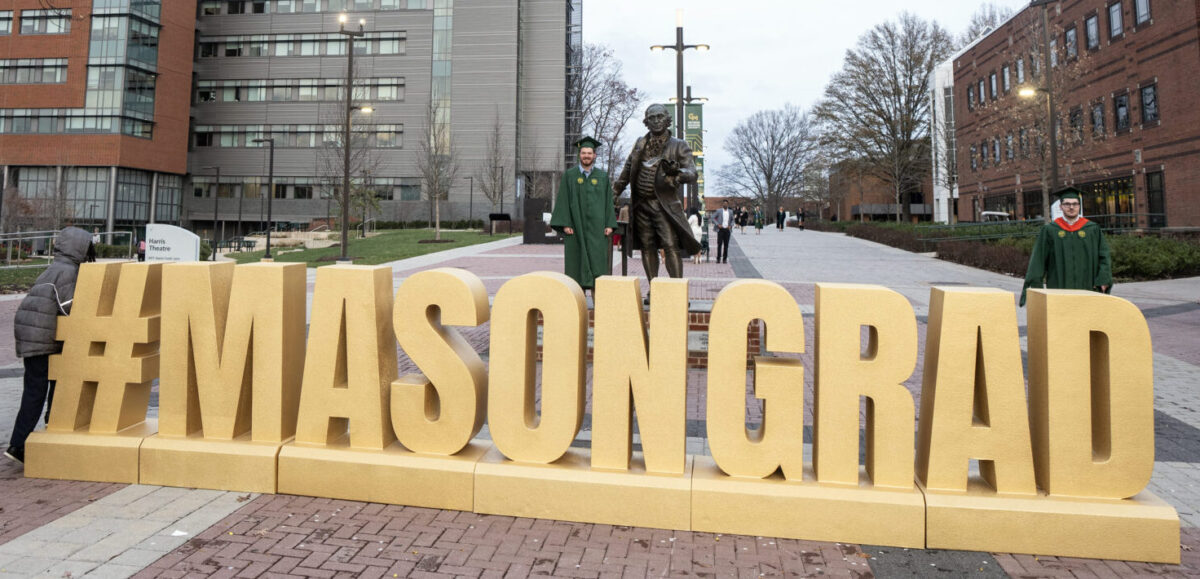
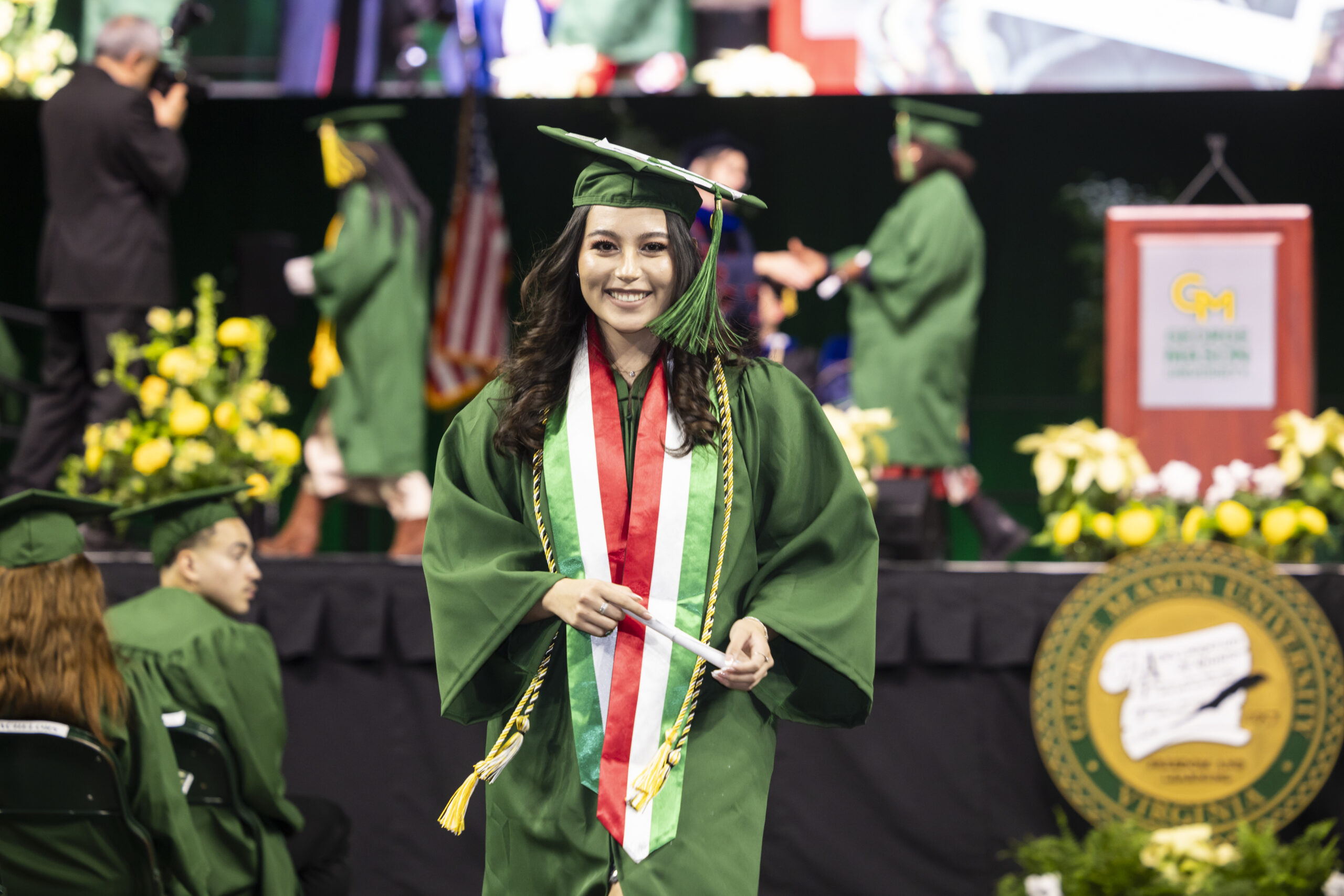
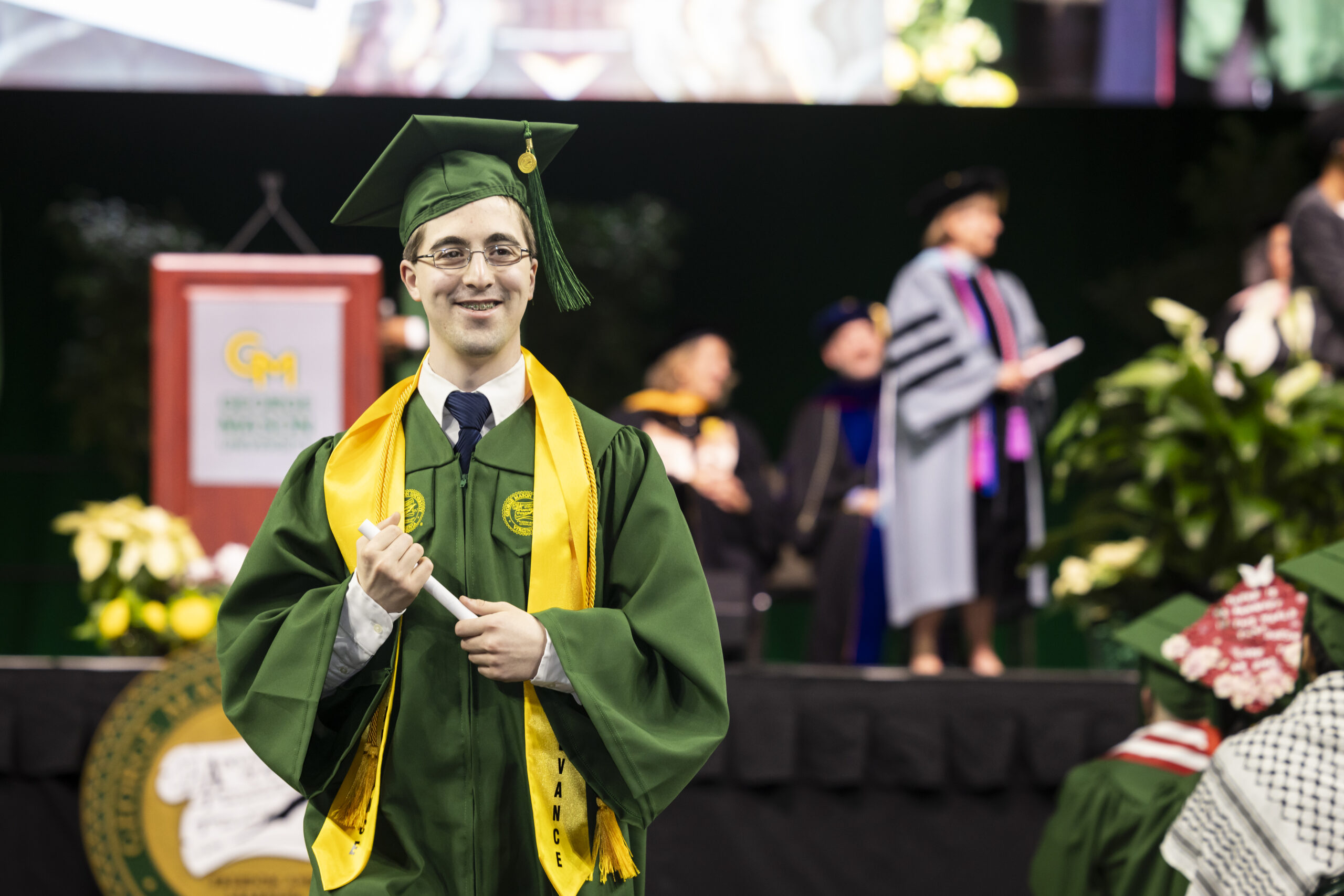
As the class of 2025 enters graduation, University Life is acknowledging the students who’ve worked for their spotlight.

Graduating seniors, who’ve worked for one or more University Life offices, reflect on their experience and the diverse opportunities they pursued during their time on campus. UL is home to 34 offices at George Mason University. Their goal is to foster vibrant communities, encourage engagement, provide holistic support, and achieve organizational excellence for students and staff—and they’ve successfully done just that.

Ruthu Josyula, a government and international politics major, played an active role in Student Government and Student Involvement. In July 2023, Josyula was a member of the Registered Student Organization (RSO) team at Student Involvement. She was appointed to the Student Government Elections and Disputes Commission in November 2023 and later elected as chair in May 2024. Prior to joining the disputes commission and elections, Josyula worked as a field organizer.

Since she was 14, she’s had a great amount of experience in elections. She was an elections page and officer, which inspired a friend of hers from student government to suggest she join the election and disputes commission. Josyula’s time in the RSO team “have given me all the people skills and customer service skills I would ever need,” she said. She went on to say that being a part of RSO gave her a lot of confidence in her problem-solving skills, and how incredible it was to have Ayleen Leonhardt as a supervisor.

Alexander Williams, a criminology major, was also part of Student Involvement. He joined the Patriot Activities Council (PAC) at the end of his freshman year in 2022. Just like Josyula, he was encouraged to join by a fraternity brother who thought he’d be a great fit. Williams stated he’s someone who loves being social and outgoing with students. “Being able to work events and being a face to help the university hold these social events was something I was really interested in doing when I came to Mason in the first place,” he said.

He served as Senior campus events lead upgrading, managing, and running large-scale events like Once upon a scream, Homecoming, Gold Rush, and Mason Day. PAC gave Williams great opportunities to partner with other departments on campus, working with administrators and faculty, and offers came his way from University Life and the Office of University Branding. He described working at this year’s Mason Day as the best moment of his experience because “I was able to see the joy we were able to bring these students,” said Williams.

For some students, their roles helped them discover new skills and other career avenues beyond their major.

Criminology major, Lydia Agyare, who worked as a leadership consultant for the Center for Leadership and Intercultural Studies Engagement, discovered her passion for creativity through digital arts. During her role, she collaborated with a social media team, editing videos and engaging with audiences on social platforms, which she stated inspired her to invest time in photography and marketing.

Jason Mabry, a film and video studies major, was invited to serve as a guest judge for Student Media’s Storyline magazine. Following this experience, he secured an internship as a technical director with Sports Broadcasting, working behind the camera. Though he initially found mastering camera angles and shots challenging, he adapted after gaining hands-on experience over several games. Throughout his internship, Mabry admitted he’s not a big sports fan but came to appreciate the behind-the-scenes aspects of the industry. “It was an interesting opportunity, more complicated to manage given what it entailed,” he said. He stated he wants to work with the sports broadcasting team at Student Media after graduation.

Paolo Lopez joined Student Involvement’s Esports this school year, running the Call of Duty team. He not only broadened his skill set in teamwork, leadership, and strategic planning, but he also had personal growth through the experience. Lopez shared that he went through a difficult period, struggling with personal challenges, a lack of motivation in school, and uncertainty about his own aspirations.

He stated that through the esports community, he created his own little family and enjoyed his life again. “I really was able to grow myself as a character, as a person, and my career, and my aspirations genuinely changed with being here for just a year,” said Lopez.

The George Mason alumnus shared why students should be involved with organizations under UL, which they replied taking advantage of every opportunity.

Agyare shared encouraging words on why students should be part of the Center for Leadership and Intercultural Studies Engagement. “We lead impactful initiatives that bring the community together. If you’re looking to find your place at Mason, build confidence, and make a real difference, your journey starts here,” she said.

We at UL would like to share our appreciation and congratulations with the graduating students who have been a part of our many teams. Their work will continue to shape the efforts of all George Mason students after their graduation, and we wish them the best in their careers! 

Learning Spotlight: Aixa Alemán-Díaz

Maximizing Productivity During Graduate School


By Aixa Alemán-Díaz, PhD

Learning Services Partner: Graduate Student Life

As a graduate student, I did not know that I needed specialized learning support to “get through” my Master's and PhD degrees. For example, my graduate courses required lots of reading and writing. Not only was it important that I learn to review my course syllabus before each class in detail and attend classes regularly but also take additional steps to meet my academic needs and goals.

I took initial steps in meeting with a consultant at the writing center, and I also needed to develop my own combined approach to productivity in grad school. To do so, I went to office hours with different professors to review progress on my essays or projects, prepare for comprehensive exams, and look for more specific learning strategies as required by course subject matters. Although English is my second language (Spanish native speaker, intermediate Portuguese) being born and raised in Puerto Rico, by the time I attended my master’s after taking gap years, I had already completed my double major in English in the United States. Ultimately, as a graduate student, I learned that I needed much more time to study than in my bachelor’s. As a financial aid student, I had to learn how to balance my academics and work-study to be able to pay my way through college.

Finally, a big takeaway is that graduate courses set a higher bar for notetaking, reading comprehension, analysis and/or content/knowledge that best prepares me to become a 21st century professional [1]. Finding resources and events designed specifically for graduate students can be difficult. Graduate school requires additional time and energy to learn new skills and knowledge, and in fact often feels ‘a balancing act’ of multiple adult responsibilities and commitments. In my own experience, I had to learn how to relate to course material and how to self-test whether I understood the subject.

To all graduate students who feel like they are struggling with this balance, Learning Services is here to assist in this next phase of your academic career; we offer resources to help manage a graduate workload. Learning Services is dedicated to helping students achieve academic goals by fostering understanding of academic expectations, exploring your own metacognition (how you learn), and helping you implement self-regulation habits.

Every year, Learning Services joins Graduate Student Life to provide a workshop series, “Maximizing Productivity during Graduate School”. This spring’s virtual workshop series launches on January 29 and extends weekly through March 4th. You can register for the Maximizing Productivity workshops at Mason360.

January 29 3-4:15pm Graduate School Reading Strategies

February 6 3-4:15pm Graduate School Note Taking Strategies

February 11 3-4:15pm Time Management

February 19 3-4:15pm Overcoming Procrastination

February 27 3-4:15pm Understanding the Pitfalls of Perfectionism

March 4 3-4:15pm Motivation and Goal Setting

In addition to these workshops, Learning Services offers graduate students additional support through one-on-one Peer Academic Coaching with Graduate coaches or Learning Specialists using Patriot Connect.  You can schedule 3-4 sessions to focus on your goals and find a support system towards your independence.

[1]Mason University Career Services uses NACE competencies for what skills and knowledge graduates possess for jobs.