
Faculty Researcher-In-Residence

Full Name: Dr. Jeff Grim, Ph.D.
Pronouns: he/him/his
Title: Assistant Professor, UL Faculty Researcher in Residence
Department: College of Humanities & Social Sciences, Higher Education Program
Link to Departmental Bio: Dr. Jeff Grim | College of Humanities & Social Sciences
Bio:
Jeffrey K. Grim, Ph.D. (he/him) is an assistant professor in the higher education program at George Mason University. Jeff uses his perspective as a first-generation college student and former university administrator to shape his research agenda that pushes theoretical and empirical boundaries for equitable organizational change in higher education. His research examines how organizational structures, policies, and practices shape the experiences and outcomes for faculty, staff, and students in higher education. More specifically, he examines 1) diversity, equity, and inclusion; 2) academic careers and leadership; and 3) student access and success. Jeff earned a PhD in higher education from the University of Michigan, Ann Arbor; Master’s in Student Affairs Administration from Michigan State University; Bachelor’s in Elementary Education from the University of Maryland, College Park, and Associate’s degree in General Studies from Hagerstown Community College. In addition, he also holds an Advanced Graduate Certificate in Nonprofit Management from Washington University in St. Louis and Graduate Certificate in Executive Coaching from Southern Methodist University.
As the UL faculty researcher-in-residence, Grim conducts research in collaboration with UL practitioners in our efforts to improve overall student success outcomes.

Full Name: Maggie Daniels, Ph.D.
Pronouns: she/her
Title: Professor, Tourism and Events Management
Department: School of Sport, Recreation, and Tourism Management
Link to Departmental Bio: Maggie Daniels | School of Sport, Recreation, and Tourism Management
Bio:
Dr. Maggie Daniels is a Professor of Tourism and Events Management in the School of Sport, Recreation, and Tourism Management at George Mason University. Maggie conducts applied research in the areas of regional economic development, tourism planning, sustainable tourism, transportation, park planning, visitor studies, event management, and wedding planning. Over the past twenty years, she has acted as the lead investigator of teams that have completed collaborative research studies in DC, Virginia, and Maryland. She received her BA from Miami University of Ohio, MA from the University of Georgia, and PhD from Clemson University.
Maggie has a combination of over 100 published papers, book chapters, professional presentations, and technical reports to her credit. A recipient of Mason’s Teaching Excellence Award and a Faculty Representative on the Board of Visitor’s Finance and Land Use Committee, Maggie empowers her students to develop management skills specific to analytical planning, financial ecosystems, valuation, investment analysis, and capital allocation. Her financial advice and planning expertise have been featured in outlets such as ABC Nightline News, MSNBC News, NPR Marketplace, The Washington Post, United Press International, US News and World Report, and WalletHub.
Maggie has championed fundraising for Mason's Student Food and Housing Insecurity Fund through the development and implementation of Mason Empty Bowls with co-chair Lauren Long, the Director of Student Involvement. This collaborative initiative involves units across campus, ceramic artists, and industry partners. Together with the community at large, Mason Empty Bowls raises awareness and funds for all of the students in our community who face empty bowls each day.
As a UL Faculty Fellow, Maggie will partner with Student Involvement to engage students in statistical analysis of undergraduate assessment data, interpretation, and collaborative strategic planning that will inform future Student Involvement programming.

Full Name: Gretchen Hendricks, Ph.D.
Pronouns: she/her
Title: Senior Instructor, Business Foundations
Department: Costello College of Business
Link to Departmental Bio: Gretchen Hendricks | Costello College of Business
Bio:
Gretchen T. Hendricks is a senior instructor in the Business Foundations Area within the Costello College of Business. She has nearly 17 years of experience teaching psychology and professional development courses. Hendricks utilizes her academic background (a BA in psychology and an MA in psychological services) to prepare students for college and career success. Her student-centered, reflective, and practical skill-building approach to learning allows students to develop as individuals and professionals. Hendricks is known for her roles as a mentor and advocate, often integrating kindness and experiential learning opportunities into her curriculum that promote student engagement and community impact.
Her broader career spans academia and the private sector including a background in workforce development, HR communications, and career services.
As a UL Faculty Fellow, Hendricks will partner with the Office of Student Media to increase awareness of and promote involvement in various campus media outlets.
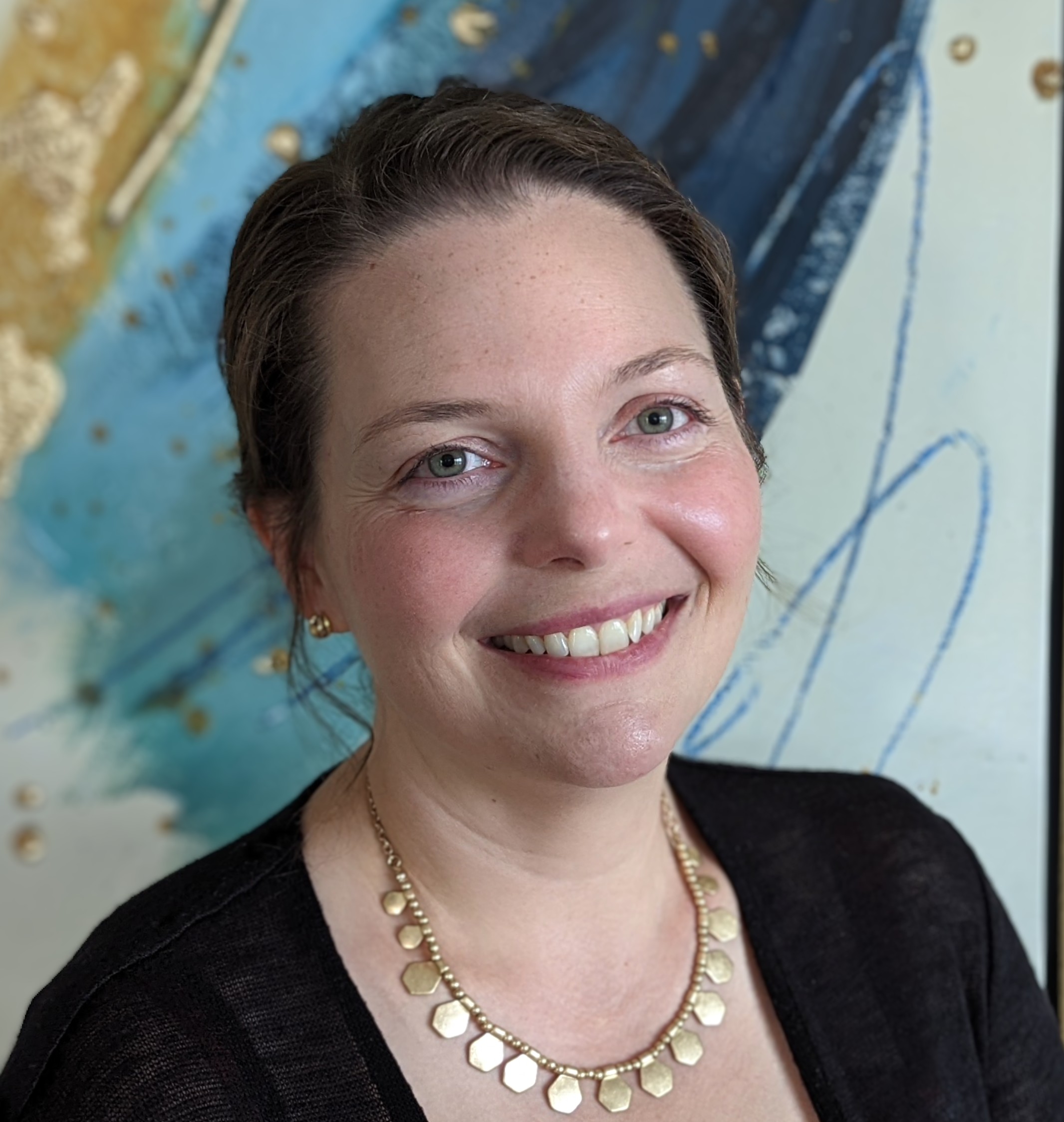
Full Name: Graziella Pagliarulo McCarron, Ph.D.
Pronouns: she/her/hers
Title: Associate Professor (Leadership Studies); program faculty Higher Education Program
Department: School of Integrative Studies
Link to Departmental Bio: Graziella Pagliarulo McCarron, Ph.D. | School of Integrative Studies
Bio:
Dr. McCarron (she/her) is an Associate Professor of Leadership Studies as well as a Higher Education program faculty member in the School of Integrative Studies (College of Humanities and Social Sciences). She develops and teaches undergraduate and graduate courses focused on leadership theory, ethics and leadership, social change, and leadership and organizational problem-solving. As a former student/academic affairs practitioner and as a current leadership studies faculty member, Dr. McCarron has over 20 years of experience centered around holistic student development, increasing access to higher education, mattering, community-building, and creating learning climates that transcend time and place. Situated in her own experiences as a first-generation college with immigrant roots, a significant focus of Dr. McCarron’s research and practice includes improving access and experience for first-generation learners, reframing leadership education pedagogy to meet students’ changing needs, and exploring the intersections of inclusive and equitable pedagogy and student development.
Dr. McCarron was recently selected to be part of ACPA’s (American College Personnel Association) 2026 class of Diamond Honorees. The Diamond Honoree program is both a recognition and fundraising program to honor our colleagues for their outstanding and sustained contributions to higher education and student affairs.
As a UL Faculty Fellow, McCarron will partner with the Center for Leadership and Intercultural Engagement (CLIE) to enrich the Conversations Across Difference program as well as support leadership program development, in general.
Dr. Graziella Pagliarulo McCarron - Final Report

Full Name: Sammie Powers, Ph.D.
Pronouns: she/her
Title: Assistant Professor, Recreation Management
Department: School of Sport, Recreation, and Tourism Management
Link to Departmental Bio: Sammie Powers | School of Sport, Recreation, and Tourism Management
Bio:
Dr. Sammie Powers is an Assistant Professor of Recreation Management in the School of Sport, Recreation, and Tourism Management at George Mason University. She earned her B.S. in Recreation Management and Policy and International Affairs as well as her M.S. in Recreation Administration from the University of New Hampshire, followed by her Ph.D. in Recreation, Park, and Tourism Management from The Pennsylvania State University. Situated within the framework of social-ecological systems, her research focuses on parks, recreation, and conservation planning and management. Sammie examines how equitable engagement in parks, recreation, and conservation can support sustainability, health, and resilience in social and ecological systems.
As a UL Faculty Fellow, Powers will partner with Mason Recreation to assess how engagement with Mason Recreation supports student success and wellbeing.
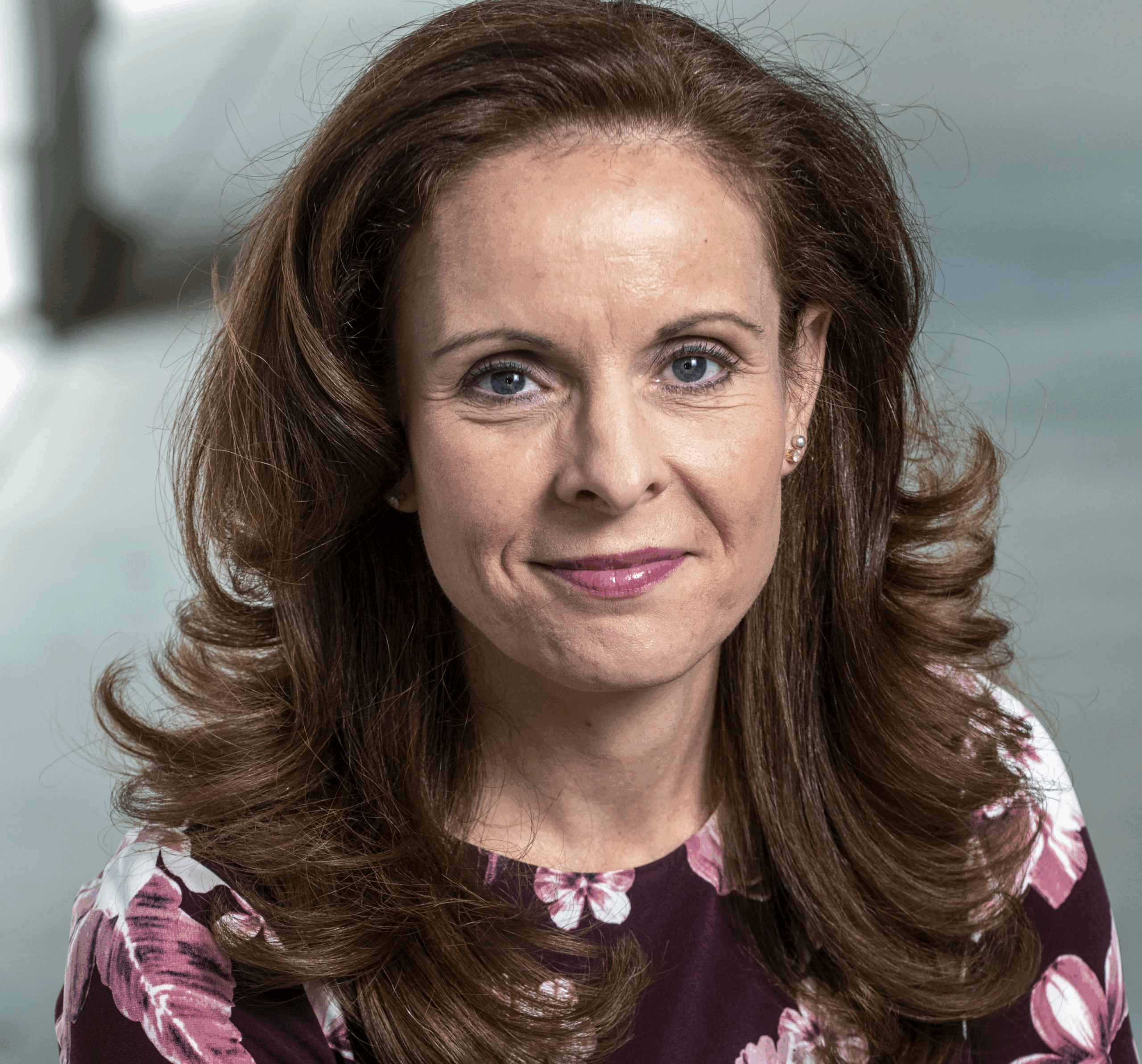
Full Name: Jennifer Victor, Ph.D.
Pronouns: she/her
Title: Associate Professor of Political Science
Department: Schar School Policy and Government
Link to Departmental Bio: Jennifer Victor | Schar School Policy and Government
Bio:
Jennifer Nicoll Victor is Associate Professor of Political Science at George Mason University’s Schar School Policy and Government. She studies the U.S. Congress, legislative organization and behavior, social network methods, political parties, campaign finance, and interest groups and lobbying. She is currently writing a book, Root and Branch: The Network Origins of Political Capital in the US Congress. She is the co-editor of the Oxford Handbook of Political Networks (2017) and co-author (with Nils Ringe) of Bridging the Information Gap: Legislative Member Organizations in the United States and the European Union (U. Michigan Press 2013). Her research has been published in a variety of political science journals, including the American Journal of Political Science, the British Journal of Political Science, American Politics Review, and others. She teaches “How American Government Works” on The Great Courses®, is the 2019 recipient of George Mason University’s Teaching Excellence Award, and the 2024 recipient of the NCAPSA Pi Sigma Alpha award for undergraduate mentoring. Her public scholarship has appeared in the New York Times, Newsweek, Medium, and a variety of academic blogs, including “Mischiefs of Faction,” where she is a founding contributor. Professor Victor is a member and Vice Chair of the Board of Directors for OpenSecrets, a non-profit dedicated to following money in politics, and is the past president of the National Capital Area Political Science Association.