
By Chelsea Xu, UL Marketing and Communications
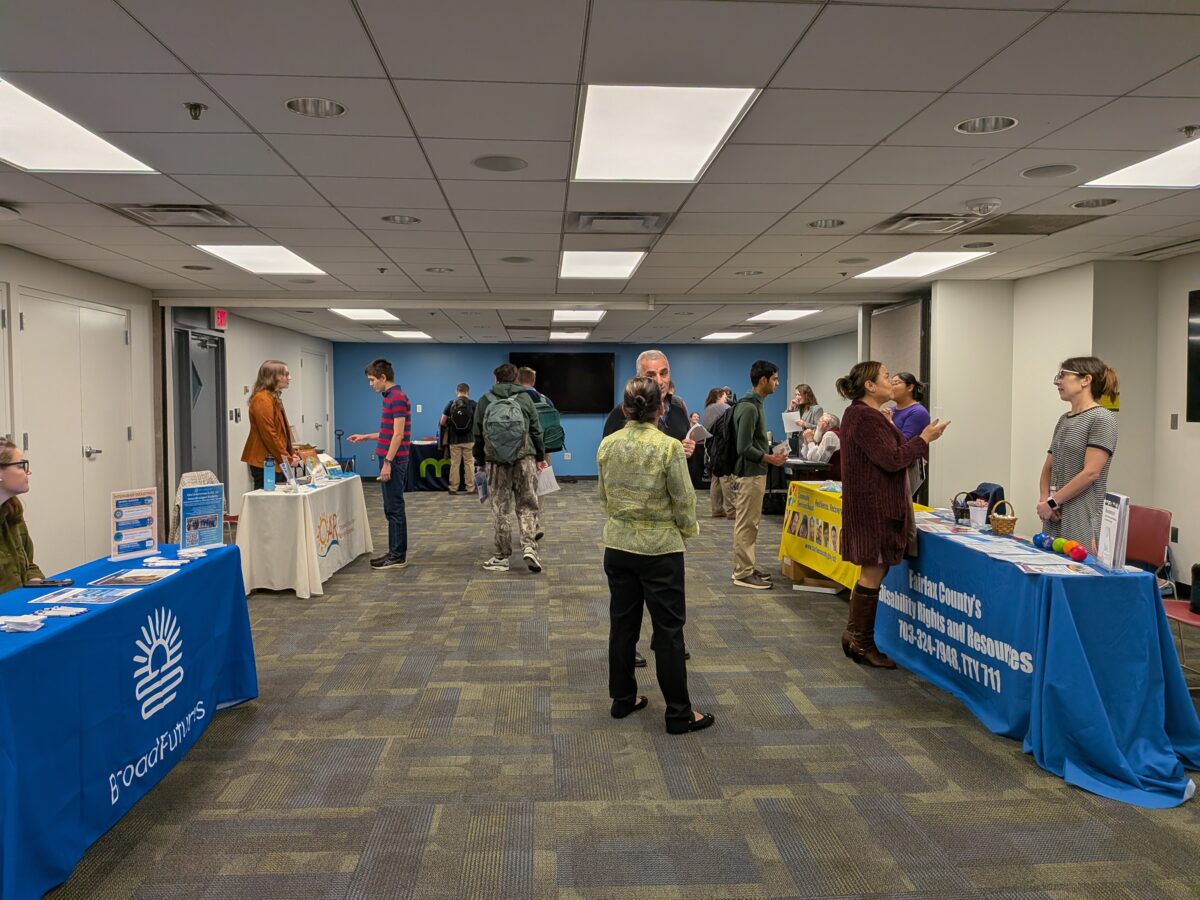
A Mini Career Fair on October 31 brought together 17 students and nine employer partners for a networking experience designed with intention: a quieter, structured environment where neurodivergent students could practice professional skills without the sensory overload of a conventional career event.
Hosted by George Mason University’s Mason Autism Support Initiative (MASI) and the Executive Functioning Program (EFP), Disability Services, in collaboration with University Career Services (UCS), the event gave students space to rehearse personal pitches, ask questions, and receive individualized feedback.
Employers from organizations including Fairfax County Government, the Smithsonian National Postal Museum, Melwood, BroadFutures, and the Organization for Autism Research’s Hire Autism Program met students at eye level, offering insight into job opportunities, workplace culture, and accessibility. The focused, calm, and conversational tone made clear that this was not simply a recruitment event; it was an environment engineered for confidence-building.
A Supportive Space for Skill-Building
MASI and EFP created the fair in response to a familiar challenge: large, crowded networking events often obscure rather than illuminate opportunity, particularly for neurodivergent students. Here, students moved through a sequence of core skills, including introducing themselves, articulating employment goals, presenting a résumé, and posing targeted questions. Employers responded with candid, practical feedback rooted in real workplace expectations.
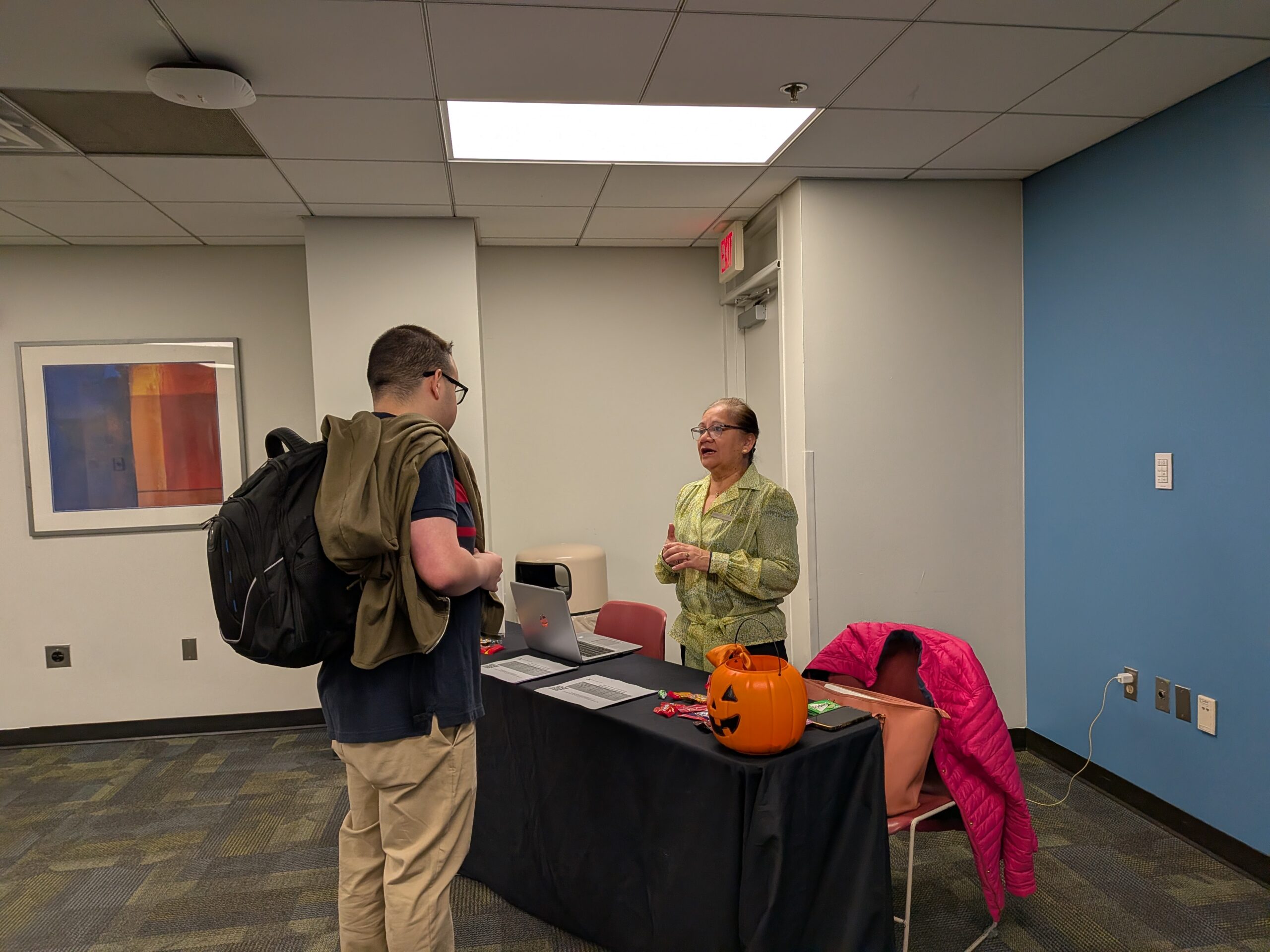
The approach worked. EFP Assistant Director Sharon Toda noted that 60 percent of students reported encountering no obstacles during their interactions—an uncommon statistic for a population that frequently names career fairs as stressful events. For those who did describe challenges, such as uncertainty about how to introduce themselves or what information employers might want, staff emphasized that these moments are exactly the point: the fair exists to make the unfamiliar navigable.
Employers Welcome the Chance to Engage
Employer enthusiasm matched student engagement. According to Toda, several employer partners were “pleasantly surprised by the university’s initiative to support individuals with disabilities,” and one was motivated enough by the experience to help recruit an additional employer for future fairs. Their participation reflected a shared understanding that access and preparation are not separate goals but mutually reinforcing ones.
First piloted in spring 2025, the MASI/EFP Mini Career Fair continues to evolve through close collaboration with employer partners and Ann Garner, Career Services advisor. Participants also had access to a preparation workshop, led by Zakeyah Frazier, career advisor with UCS. Each iteration sharpens the model and expands opportunities for students to test and refine their professional identities.
The fair echoes George Mason’s broader mission to ensure that every student has a meaningful path to success. By shaping the environment around students’ needs and engaging employers committed to accessible hiring, MASI and EFP turned a standard career interaction into something more intentional and empowering. This mini career fair is set to return in April 2026.
To learn more about Disability Services’ programming and events, visit ds.gmu.edu/.