
By Tiffany Boggs, Student Media. Edited by Chelsea Xu, UL Marketing and Communications.
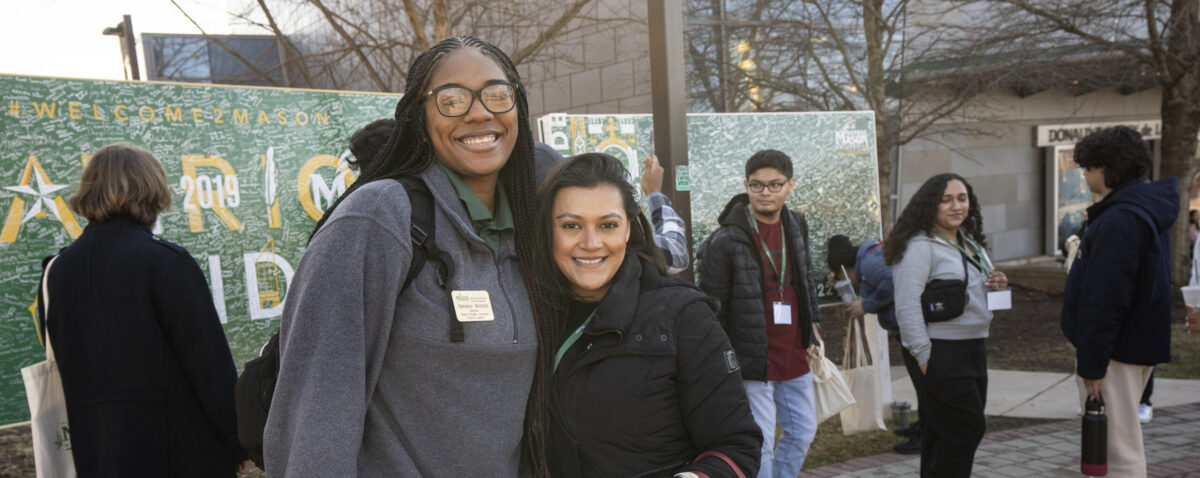
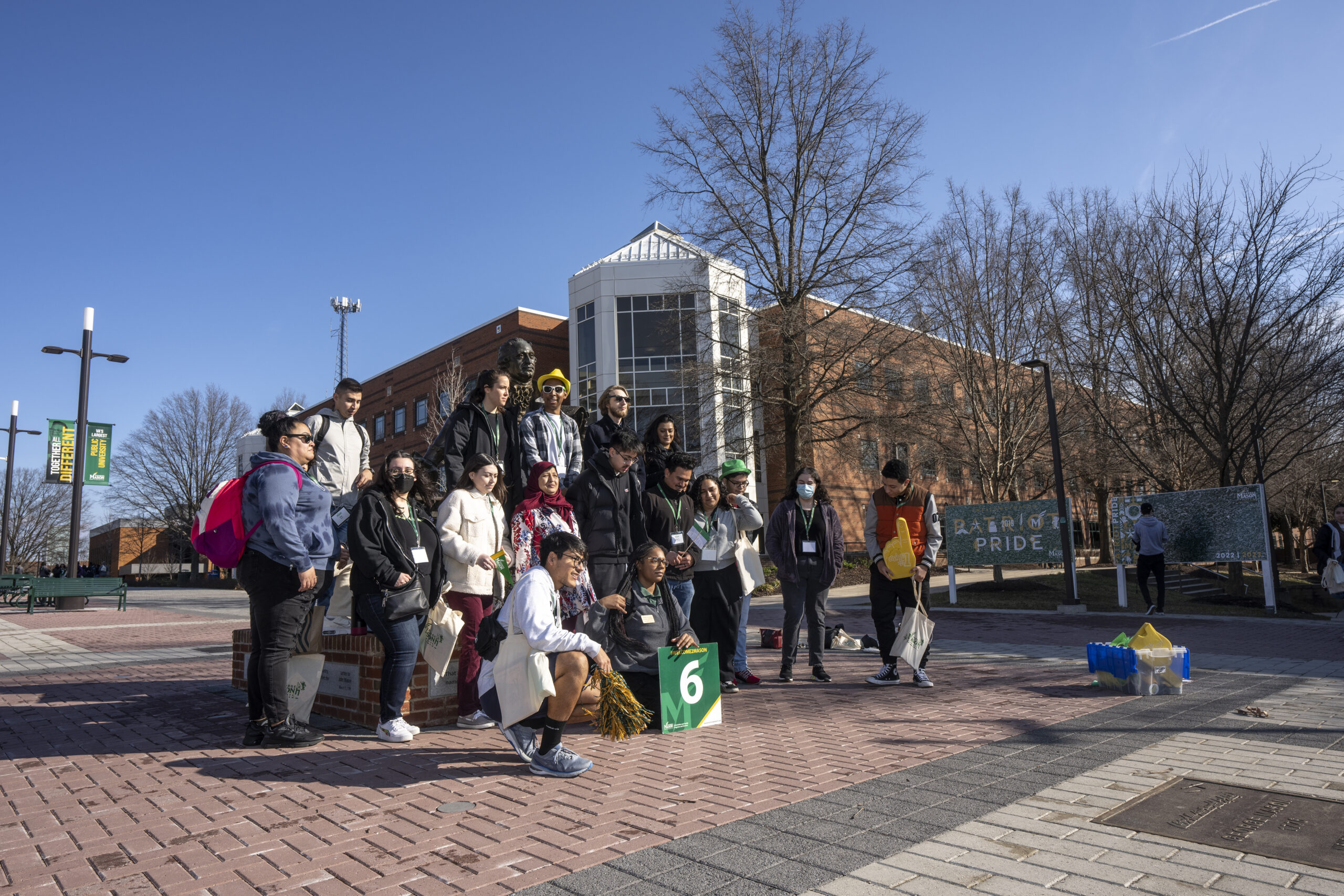
On February 4, Transfer Nation 2026 welcomed transfer and post-traditional students for an afternoon focused on connection and reflection. As part of George Mason University’s First-Year Connection programming, the event emphasized community-building and highlighted the academic and personal support systems available across campus.
First-Year Connection initiatives are designed to enhance engagement, strengthen academic success, and support personal growth for students new to George Mason. For transfer students who often have less time to acclimate than first-year students, the need for early connection is especially critical.
“This particular event is really a chance for transfer students to meet each other and share that they are not alone in their experience here,” said Caroline Simpson, assistant director of New Student and Family Programs (NSFP). “They’re not the only ones going through different challenges or struggles. They have community.”
Simpson noted that the gathering also encouraged students to set early goals for the semester – an important step for transfers navigating a new academic environment on a compressed timeline.
Getting connected
Richard Tenia, who transferred from Northern Virginia Community College in Sterling, Virginia, entered George Mason in fall 2025 with plans to refine his academic focus in Arts and Visual Technology and push beyond his comfort zone. Adjusting to a larger campus proved challenging at first, he said, but support from resident advisors (RAs) and engagement through Mason360helped him build connections more quickly than he had anticipated.
Zell Preston, a transfer student from Laurel Ridge Community College in Middletown, Virginia, highlighted the university’s diversity and campus involvement as central to her experience. She credited her success coach with helping her transition from forensic science to criminology and connect with Counseling and Psychological Services (CAPS). The breadth of support at George Mason, she said, made a significant difference in her transition.
Transfer Nation also highlighted support for working adults balancing professional and family responsibilities. Jennifer Rogel, who manages two full-time jobs while enrolled as a full-time student, said transfer-focused programming eased her transition. After attending two transfer events in November, she gained clarity on course registration and access to follow-up resources. Receiving a free laptop through the Student Support and Advocacy Center proved especially instrumental.
For Rogel, the experience underscored an important point: resources only matter if students know how to access them. “I believe there are resources for everybody,” she said. “The thing is, are we taking advantage of them? Do we know those resources exist?”
Transfer Nation addressed that gap directly. By making support visible – and personal – the event helped ensure that services did not remain abstract listings on a website, but tools students felt confident using. For students who arrive at George Mason mid-journey, connection is not incidental. It is structured, supported, and made visible. Transfer Nation reflects a broader institutional commitment: that at George Mason, every student succeeds – including those who began somewhere else.